Get Radiator Heating Installation
Radiator heating installation services help property owners add or replace radiators to improve warmth and comfort in various residential or commercial spaces.
If you’re considering radiator heating installation, you’ve come to the right place to explore your options. Property owners in the area often turn to local contractors for efficient, reliable heating solutions that suit their specific needs. Whether upgrading an existing system or installing new radiators, planning ahead and comparing local service providers can help ensure the project aligns with your property’s requirements and long-term comfort goals.
Continuing to explore your options can provide valuable insights into the different approaches available within the community. Local contractors offer a range of services tailored to various property types and heating preferences, making it easier to find a solution that fits your property’s layout and your expectations. Keep reading to learn more about how local experts can assist with radiator heating installation and help bring your project to life.
- Radiator Heating Installation - homeowners upgrading or installing a new heating system in their residence.
- Commercial Radiator Heating - businesses seeking to add or replace radiators in office or retail spaces.
- Historic Building Heating - property owners restoring or maintaining older buildings with radiator systems.
- Underfloor Radiator Integration - clients looking to incorporate radiators with existing or new flooring setups.
- Retrofit Radiator Systems - those updating outdated heating setups to improve efficiency or functionality.
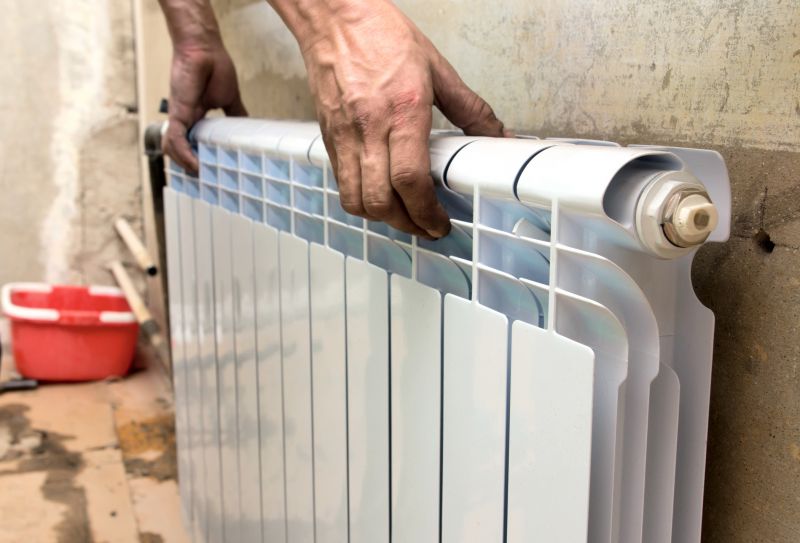
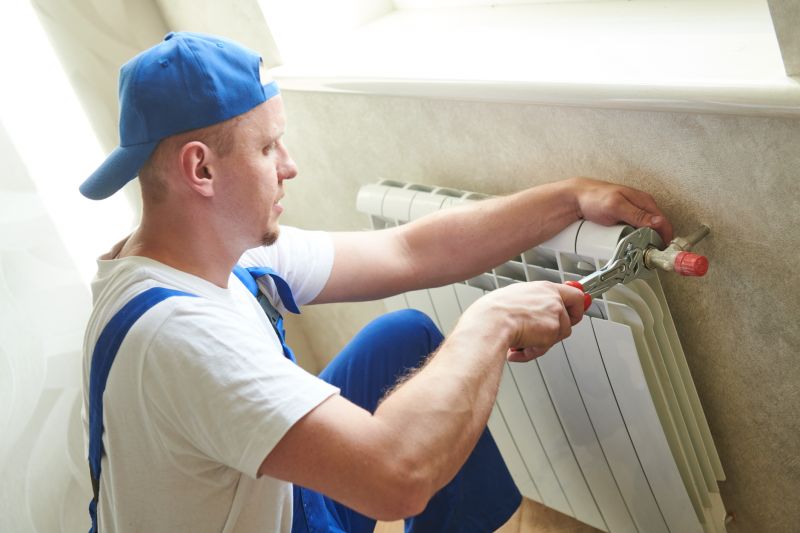
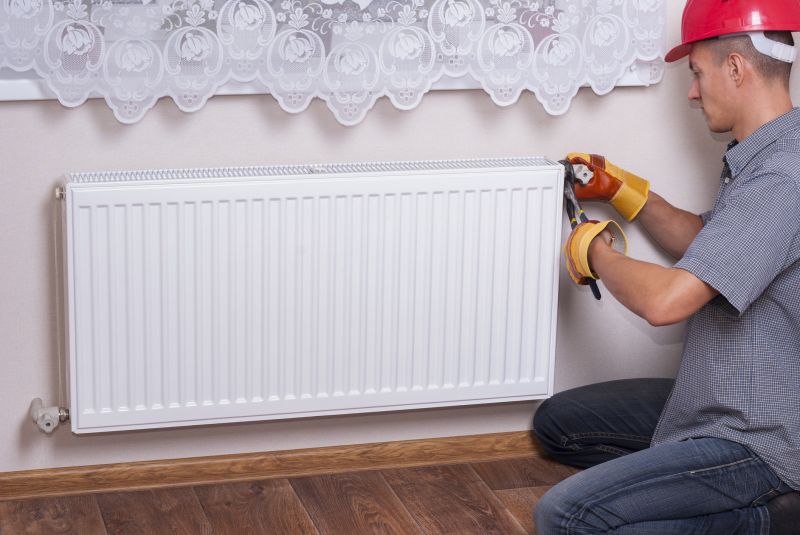
Radiator heating installation involves setting up a system that uses radiators to distribute heat throughout a property. This service typically includes selecting the appropriate type and size of radiators, preparing the space for installation, and connecting the units to the existing hot water or steam source. Proper installation ensures that heat is evenly distributed, providing a comfortable environment during colder months. Local contractors experienced in radiator systems can help determine the best configuration for a specific property, whether it's a single-family home, apartment, or commercial building.
This service helps address common heating problems such as uneven warmth, insufficient heat, or rising energy costs. When radiators are outdated, damaged, or improperly installed, they can lead to cold spots or inconsistent temperatures. Installing new radiators or upgrading existing ones can improve heating efficiency and help maintain a steady, comfortable indoor climate. Service providers can also troubleshoot issues like leaks, noise, or poor circulation, ensuring the system operates effectively and reliably.
Radiator heating installation is often used in residential properties, including older homes that rely on traditional heating methods, as well as newer constructions designed for hydronic systems. Commercial buildings, multi-family dwellings, and some institutional facilities may also utilize radiator systems for their reliable and straightforward heating capabilities. These systems are especially suitable for properties where a centralized heat source is already in place or where specific zoning of heating is desired.
Homeowners who notice cold rooms, rising energy bills, or uneven heating may find radiator installation services beneficial. This solution is also appropriate for those looking to replace aging or inefficient radiators, or to add heating to areas that lack adequate warmth. By connecting with local contractors who specialize in radiator systems, property owners can explore options tailored to their space and heating needs, ensuring a practical and effective heating solution.
The overview below groups typical Radiator Heating Installation projects into broad ranges so you can see how smaller, mid-sized, and larger jobs often compare in your area.
In many markets, a large share of routine jobs stays in the lower and middle ranges, while only a smaller percentage of projects moves into the highest bands when the work is more complex or site conditions are harder than average.
Smaller Repairs - Typically, minor radiator repairs or adjustments cost between $250 and $600. Many routine maintenance jobs fall within this range, depending on the specific issue and labor involved.
Partial Installation - Installing a new radiator or upgrading existing units generally ranges from $1,000 to $3,000. Most projects of this scale are completed within this band, though larger homes may see higher costs.
Full System Replacement - Replacing an entire radiator heating system can range from $4,000 to $8,000 or more. Larger, more complex projects tend to push costs into the higher end of this spectrum.
Complex or Custom Projects - Custom installations or extensive upgrades can exceed $10,000, with fewer projects reaching this level. These jobs often involve additional work such as extensive piping or specialized equipment.
Actual totals will depend on details like access to the work area, the scope of the project, and the materials selected, so use these as general starting points rather than exact figures.
Hydronic Floor Heating Installation - local contractors skilled in installing radiant floor systems often have experience with radiator heating setups, sharing similar plumbing and heat distribution techniques.
Baseboard Heater Installation - professionals who install baseboard heaters work with similar space planning and electrical or hydronic connections as radiator heating systems.
Steam Radiator System Setup - specialists capable of installing steam-based radiators utilize comparable piping, venting, and heat regulation skills found in radiator heating installation.
Hydronic Boiler System Installation - experts installing boilers for hot water systems are familiar with the components and planning involved in radiator heating setups.
Radiant Wall Panel Heating - service providers experienced in wall-mounted heating solutions often handle projects that require similar heat distribution planning as radiator systems.
HVAC System Integration - technicians integrating heating components into existing HVAC systems have overlapping knowledge of plumbing, piping, and heat transfer methods used in radiator installation.
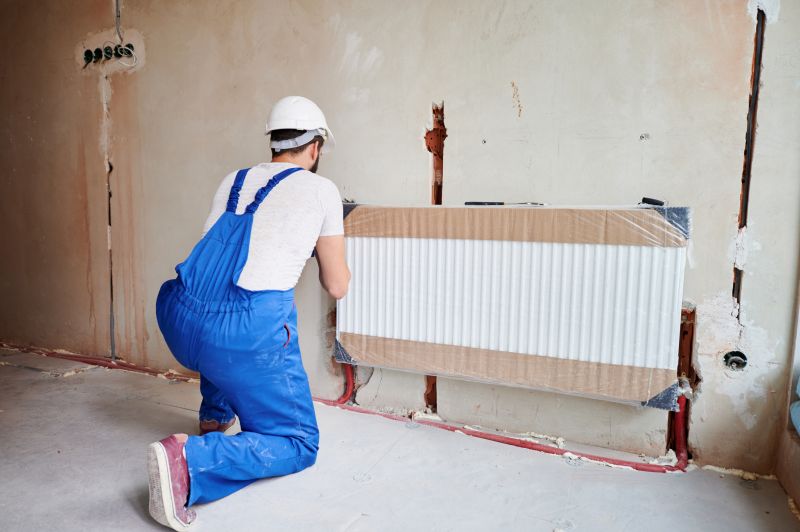
When comparing service providers for radiator heating installation, it is important to consider their experience with similar projects. A contractor who has successfully handled comparable installations can offer insights into potential challenges and effective solutions. Asking about their past work can help gauge their familiarity with the specific requirements of radiator systems, ensuring that the chosen professional has the practical knowledge needed for a quality installation.
Clear written expectations are essential when evaluating local contractors. A reputable service provider should be able to provide detailed descriptions of their services, including the scope of work, materials used, and any warranties or guarantees offered. Having this information in writing helps ensure that both parties have a shared understanding of the project, reducing the likelihood of misunderstandings or surprises during the process.
Reputable references and good communication are also key factors to consider. Service providers with positive references from previous clients demonstrate a history of reliable work and professionalism. Additionally, clear and prompt communication throughout the inquiry process can indicate a contractor’s commitment to customer service and transparency. While this site introduces homeowners to local options, it is recommended to contact prospective contractors directly to gather this information and determine which ones are best suited for the specific radiator heating installation needs.
Property owners use Radiator Heating Installation services for practical projects around their homes and businesses. This guide focuses on everyday jobs and straightforward project options.
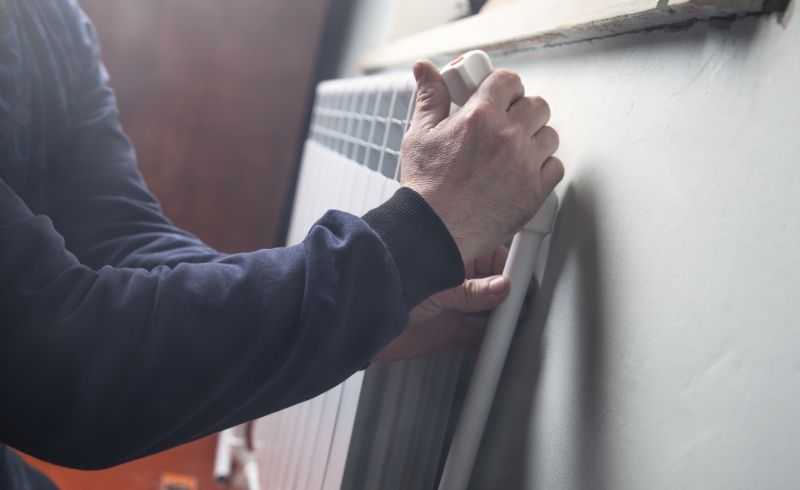
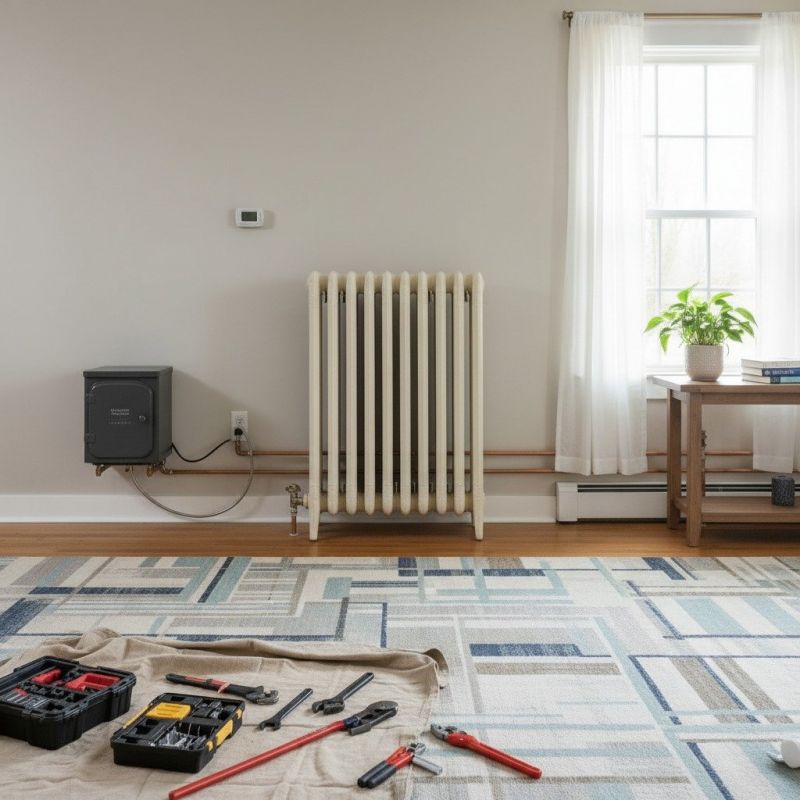
Radiator heating installation is a common project for property owners looking to improve warmth and comfort in their homes or commercial spaces. Many people seek out local contractors when upgrading outdated systems, replacing broken radiators, or installing new heating solutions to ensure even heat distribution throughout their property. These projects often arise during seasonal changes or when a property is being renovated, prompting owners to find reliable service providers who can handle the work efficiently and effectively.
Property owners in the area may also look for radiator heating installation services when experiencing uneven heating, rising energy costs, or simply wanting to enhance their indoor comfort. Whether installing radiators in new construction or retrofitting existing spaces, local service providers can help navigate the process, offering options suited to the specific needs of each property. Connecting with experienced local contractors ensures the work is completed to standard, providing a dependable solution for maintaining a warm and cozy environment.
What are the benefits of installing radiator heating? Radiator heating can provide even warmth throughout a space, improving comfort and efficiency compared to other heating methods.
What types of radiators are available for installation? There are various radiator types, including cast iron, panel, and column radiators, each suited to different heating needs and preferences.
How do local contractors determine the best radiator heating system for a property? Contractors assess factors like room size, insulation, and existing plumbing to recommend suitable radiator heating solutions.
Is radiator heating compatible with existing home heating systems? Compatibility depends on the current setup; local service providers can evaluate and advise on integrating radiator heating into existing systems.
What should be considered when choosing a professional for radiator installation? It’s important to select experienced local contractors with a track record of quality radiator heating installations in your area.
Upgrade to Radiator Heating - Property owners can improve indoor comfort by installing radiator heating in living spaces or bedrooms.
Add Zoning Controls - Homeowners might use radiator systems to create different temperature zones within a property for personalized comfort.
Replace Old or Inefficient Radiators - Replacing outdated radiators can enhance heating efficiency and reduce energy consumption in a home.
Design New Heating Layouts - Planning a new radiator layout during renovations helps optimize heat distribution throughout the property.
If you are thinking about Radiator Heating Installation for a property, this guide is meant to help you understand the work, the typical project types, and how different options might fit your plans.
When you are ready, you can use the quote form on this page to share a few details about your project. From there, local pros can review the basics and respond with options that match what you have in mind.